The demand for safer, compliant, and export-ready materials across the railway and metro ecosystem has pushed manufacturers to prioritize HL3 certification—the highest hazard level under EN 45545-2. For suppliers dealing with adhesives, laminates, polymers, composites, cables, foams, and interior components, HL3 approval is no longer optional; it is a critical requirement for tender qualification, production continuity, and global market acceptance.
However, the journey to HL3 certification is often misunderstood. Many companies face unnecessary delays, repeated rejections, and spiraling testing costs due to a lack of clarity in the testing process, incorrect sample preparation, and incomplete documentation. As one of the most trusted fire testing labs in India, Prospec Testing Lab helps manufacturers navigate this complex pathway with speed, accuracy, and predictable outcomes.
This article breaks down the entire HL3 testing process, the pitfalls manufacturers should avoid, and how partnering with a NABL-accredited and RDSO-recognized fire testing lab can streamline compliance.
Understanding HL3: The Highest Level of Fire Safety Compliance
Under EN 45545-2, HL3 represents the most stringent fire-safety category, required for materials used in:
- High-density rolling stock
- Sleeper coaches
- Coaches operating in tunnels
- High-risk travel environments where evacuation may be slow
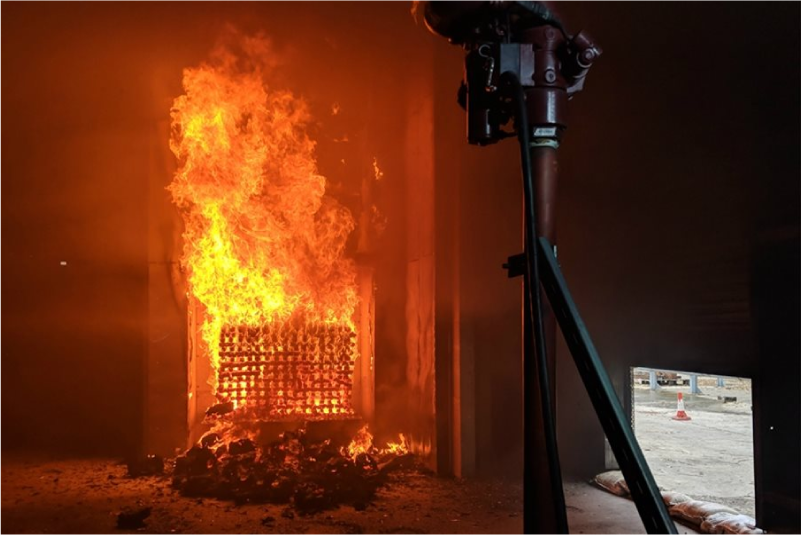
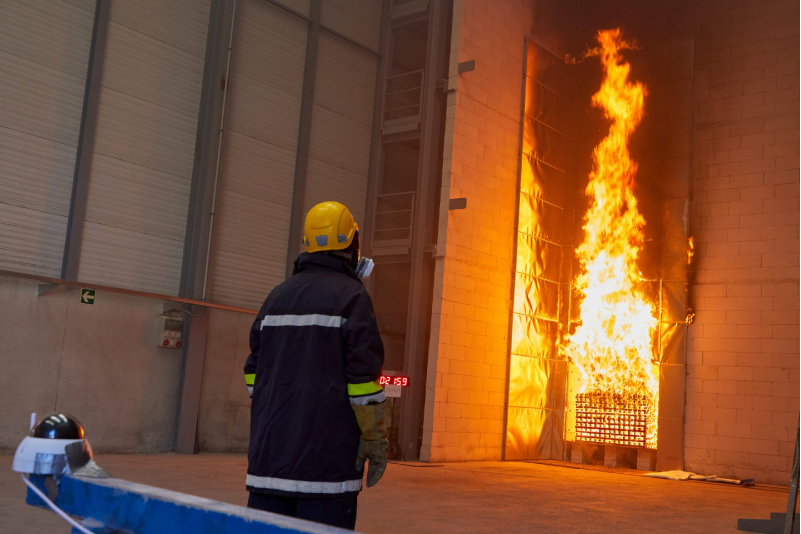
To achieve HL3 compliance, materials must undergo multiple fire-reaction tests that assess flame spread, ignition behavior, smoke density, heat release rate, and toxicity.
The key tests include:
- ISO 5660-1 (Cone Calorimeter Test) – Measures heat release rate, mass loss, and smoke production.
- ISO 5659-2 (Smoke Density & Toxicity Test) – Evaluates smoke opacity and toxic emissions under flaming and non-flaming conditions.
- ISO 11925-2 (Small Flame Ignitability Test) – Determines how a material reacts to a small ignition source.
Passing HL3 is not simply about meeting fire-reaction thresholds; it is about demonstrating consistent safety performance backed by complete, audit-ready documentation.
Why Manufacturers Face Rejections & Delays
Despite investing time and resources, many suppliers fail HL3 testing—not due to poor material performance, but because of preventable procedural mistakes. Common issues include:
1. Incorrect Material Category Selection
EN 45545-2 includes multiple R-requirements (R1 to R28). Misalignment between the material type and its designated category leads to invalid results.
2. Wrong Sample Thickness or Variants
A frequent error is sending samples that do not represent the production variant. Even a minor deviation can cause re-tests.
3. Insufficient Sample Quantity
HL3 testing requires multiple samples with specific dimensions. Sending incomplete sets leads to delays.
4. Lack of Audit-Ready Documentation
Many suppliers pass the laboratory tests but fail during audits because reports do not clearly map test results to production specifications.
5. Delays from Non-Accredited Labs
Working with non-NABL or non-RDSO labs often results in reports being rejected by OEMs, forcing suppliers to redo tests—doubling cost and time.
These challenges highlight the need for a structured, guided HL3 certification strategy.
How Prospec Helps Manufacturers Avoid HL3 Testing Pitfalls
Prospec Testing Lab has become a trusted partner for HL3 certification in India due to its deep technical expertise, domain understanding, and audit-first approach to testing. Here’s how Prospec’s methodology helps manufacturers avoid costly rejections:
1. Pre-Assessment & Material Mapping
The technical team evaluates your material type, R-requirement category, expected fire-reaction behavior, and documentation gaps BEFORE you send samples.
2. Guidance on Sample Preparation
Prospec provides precise specifications for sample thickness, dimensions, and quantity—ensuring your materials match production standards.
3. Complete HL3 Testing Package
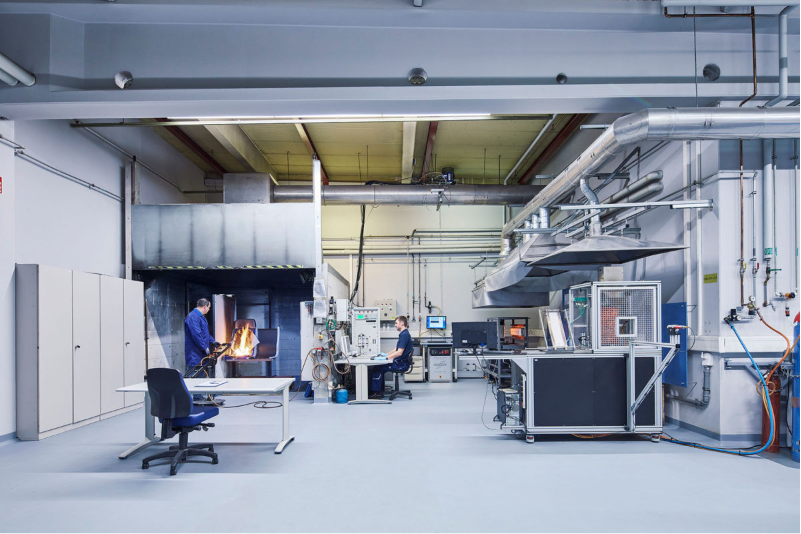
With in-house capabilities for ISO 5660-1, ISO 5659-2, and ISO 11925-2, Prospec delivers end-to-end testing under one roof, reducing coordination delays.
4. Fastest Turnaround Time (TAT) in the Industry
Manufacturers often operate under tight production and tender deadlines. Prospec’s optimized workflows ensure significantly faster TAT without compromising accuracy.
5. Audit-Proof Documentation
Your final HL3 report clearly maps test results to production variants, ensuring smooth acceptance by OEMs, auditors, and regulatory bodies.
6. Most Competitive Pricing in India
Prospec’s pricing model ensures the lowest cost per test for HL3, preventing budget overruns and enabling mid-sized suppliers to compete in global markets.
The Future of HL3 Compliance in India
As India continues to expand its metro networks and modernize its railway infrastructure, HL3 certification will play a central role in supplier qualification. Manufacturers who build HL3 compliance early will gain stronger credibility, faster approvals, and greater access to domestic and international tenders.
As a leading fire testing lab in India, Prospec Testing Lab remains committed to helping suppliers achieve HL3 certification quickly, accurately, and cost-effectively.