In today’s rail industry, safety is no longer just a compliance box — it has become a strategic differentiator. As global and domestic railway and metro networks expand rapidly, manufacturers and suppliers are under increasing pressure to deliver materials and components that meet the highest fire-safety standards. Among these standards, HL3 certification under EN 45545-2 stands out as the gold standard for high-hazard railway applications.
For manufacturers of interiors, panels, insulation, cables, seats, and technical components, HL3 isn’t just a certificate — it’s a ticket to high-value contracts, export readiness, and enhanced trust with OEMs and operators.
🔥 What Makes HL3 Essential?
EN 45545-2 classifies rail vehicle materials under different “hazard levels” (HL1, HL2, HL3) based on risk — tunnel transit, sleeper coaches, high-density occupancy, emergency evacuation time, etc. pmpgroup.org+2ABB Group+2
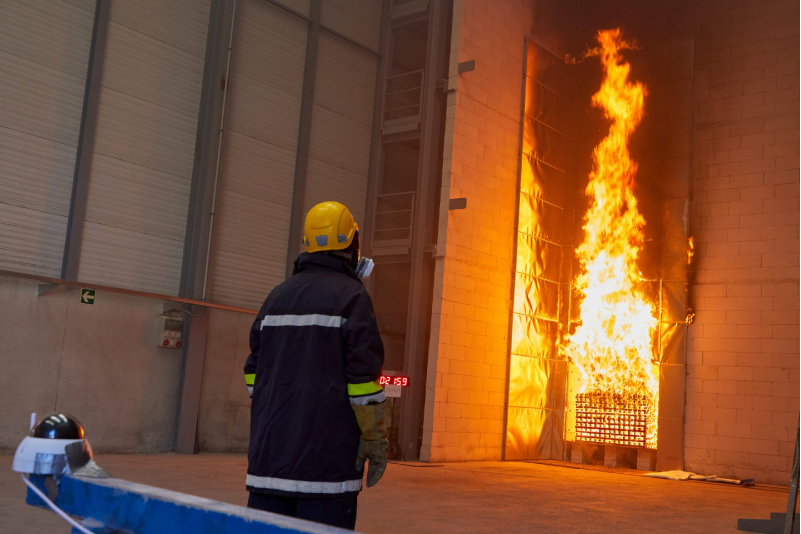
HL3 represents the most stringent category: materials certified to HL3 have cleared rigorous fire-reaction tests. That means — in case of fire — flame spread, heat release, smoke density, and toxicity are all tightly controlled to minimise danger. Motis Fire Testing Instrumentation+2fire-testing.com+2
By achieving HL3 compliance, manufacturers demonstrate that their products meet the highest safety thresholds — giving them a clear advantage when bidding for projects involving sleeper coaches, tunnels, metros, high-occupancy trains, and international export contracts.
📈 From Compliance Requirement to Strategic Advantage
Why is HL3 certification now more than just regulatory compliance?
- Global and Domestic Demand is Rising: As rail infrastructure grows, more manufacturers must meet EN 45545-2 standards — especially HL3, for high-risk applications.
- Differentiated Market Positioning: Suppliers with HL3-certified materials gain a competitive edge over peers who rely on lower HL levels or uncertified materials.
- Faster Approvals & Tender Wins: HL3-certified components often bypass repeated compliance checks — enabling faster procurement, fewer audit delays, and smoother project ramp-up.
- Export Readiness: For vendors targeting international rolling-stock manufacturers or global export markets, HL3 compliance is a mark of quality aligned with international safety norms.
In short: HL3 is not just a certification — it’s a value proposition you can present to customers, regulatory bodies, and procurement teams.
🧪 What HL3 Testing Involves — And Why It Matters
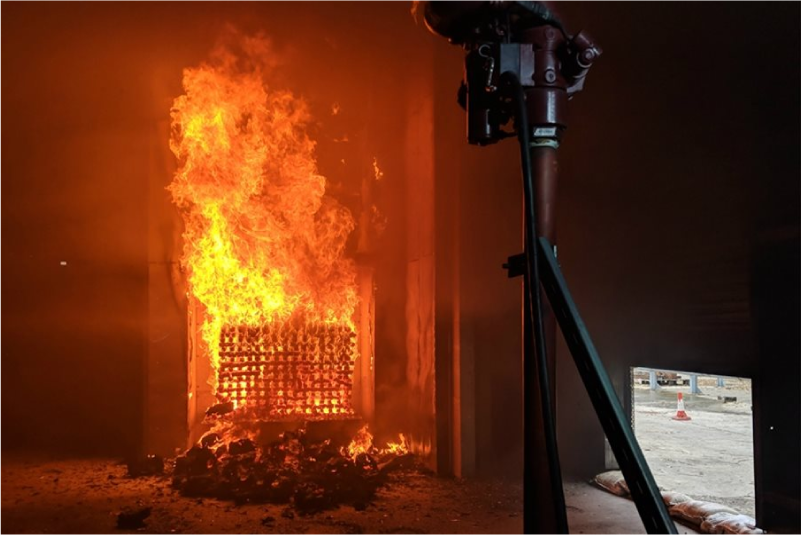
To meet HL3, materials must pass a set of rigorous fire-reaction tests under EN 45545-2. Common tests include:
- Heat Release Rate & Fire Growth (e.g., ISO 5660-1 / Cone Calorimeter) — evaluates how much heat and flame a material releases under fire. tecnalia.com+1
- Smoke Density & Toxicity (e.g., ISO 5659-2) — measures smoke opacity and potentially toxic gas emissions under both flaming and non-flaming scenarios. eurofins.in+1
- Flame Ignitability & Spread (e.g., ISO 11925-2 / small-flame test) — checks how easily a material ignites when exposed to a small flame and whether fire spreads. tecnalia.com+1
Passing these tests under HL3 ensures that even in worst-case fire conditions, materials will behave predictably, giving passengers and staff precious extra time to evacuate safely.
🏭 Why Choosing the Right Fire Testing Lab Matters — and What to Look For
Not all fire testing labs are created equal. For HL3 compliance to translate into real-world safety—and project success—you need a lab that combines:
- Internationally recognized accreditation (NABL, RDSO or equivalent)
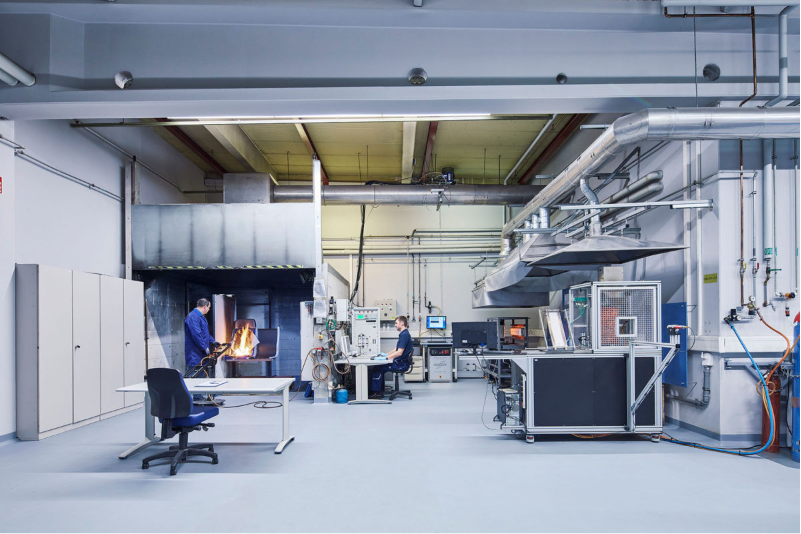
- Full suite of testing capabilities (heat release, smoke, toxicity, flame spread, etc.)
- Experienced engineers to guide sample preparation, variant mapping, and requirement-set selection
- Audit-ready documentation aligned with regulatory and OEM expectations
- Fast turnaround times to support tight tender or production timelines
That’s where Prospec Testing Lab comes in. Equipped with deep EN 45545-2 experience, advanced testing infrastructure, and a commitment to speed and accuracy, Prospec helps suppliers convert HL3 certification from a compliance obstacle into a strategic enabler.
📊 The Strategic Benefits: What HL3 Certification Delivers for You
| Benefit | Why It Matters |
| Access to high-risk, high-specification railway & metro projects | Sleeper coaches, metro tunnels, high-occupancy trains increasingly mandate HL3 |
| Competitive edge in tendering & procurement | HL3-certified suppliers stand out in vendor selection and prequalification |
| Reduced audit and compliance risk | Audit-ready documentation and compliance reports lower chances of rejection or rework |
| Export-readiness for global rolling-stock clients | HL3 aligns with international fire-safety standards and builds credibility abroad |
| Faster project timelines & fewer delays | Proper certification avoids retesting, compliance hold-ups, and supply chain bottlenecks |
🤝 Why Prospec Testing Lab Is the Ideal Partner for HL3 Certification in India
Prospec bridges the gap between demanding international standards and Indian manufacturing realities. With:
- End-to-end HL3 testing services
- Accredited infrastructure and valid fire-safety protocols
- Expert guidance from material mapping to final audit-ready reports
- A commitment to fastest turnaround times and competitive pricing
We make HL3 compliance practical, predictable, and business-ready — transforming it from a cost center into a strategic investment.
If you’re preparing materials for railway, metro, or international rolling-stock applications — contact Prospec to explore a tailored HL3 certification roadmap.